


Published: November 30, 2025
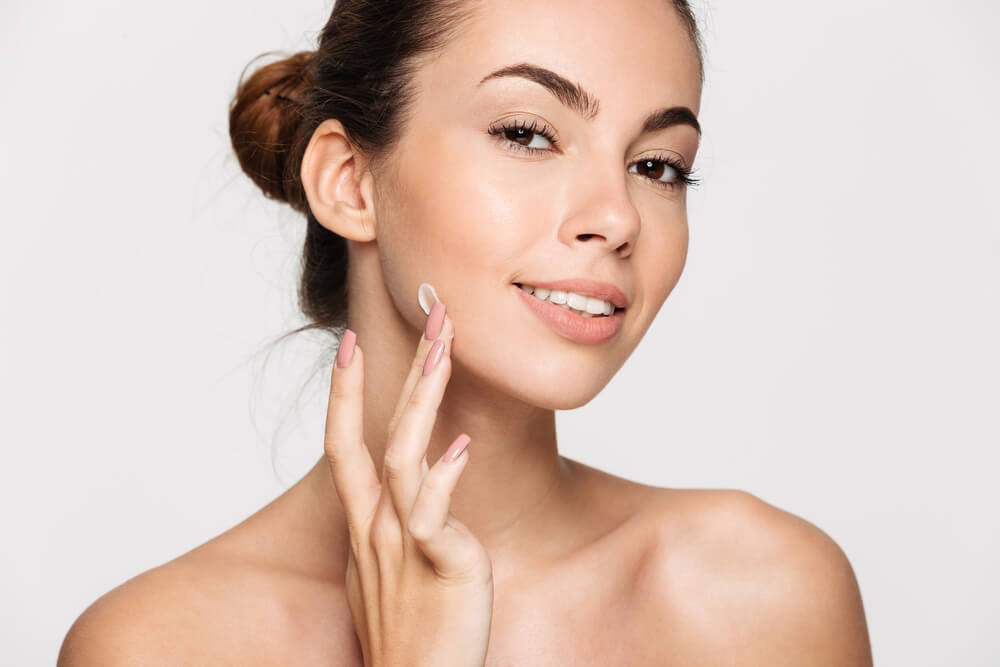
The clean beauty movement has been rapidly growing in popularity, but what does it really mean? In legal terms, absolutely nothing. With no standardized framework behind it, meaning no regulatory bodies overseeing how ‘clean’ these products actually are, the clean beauty movement has been shrouded in an ambiguity that often detracts from what the concept is all about.
While the premise of clean beauty is undeniably appealing, how it’s practiced is very subjective, which is where things get tricky. Keep reading as Bionyx takes a closer look at what the clean beauty movement could mean for your skin.
What is Clean Beauty?
The concept of clean beauty has been bubbling beneath the surface for a while now. It started to become more prevalent back in the early 2010s, when people started to question the ingredients in the foods that they were putting into their bodies. It wasn’t long before consumers started paying more attention to the ingredients that they were putting on their skin too. This gave the clean beauty movement the momentum it needed to edge its way into the mainstream market.
At the heart of clean beauty is the idea that skincare products shouldn’t contain any harmful ingredients. However, since there is no standardized definition as to what makes a product clean, different brands put their own spin on the concept. For some, it means that a product should only contain natural ingredients, whereas others allow safe and eco-friendly synthetic ingredients.
The Infiltration of Greenwashing
So far, clean beauty sounds pretty good, right?
The issue, however, lies in the fact that ‘clean’ isn’t a regulated term. Sure, some brands hold true to their values and produce products that they genuinely believe to be clean for their own reasons. However, other brands aren’t quite so scrupulous. They’ve recognized the potential for huge profits in this sector (the clean beauty market is projected to grow to $25 billion in 2030), and have taken advantage of the lack of standardization surrounding the movement. They want to cash in on the trend, which is why many of the products out there that are marketed as being clean are actually the opposite.
Cleaning Up Your Skincare Routine
Wanting your skincare routine to be safe for both your skin and the environment is a commendable thing. Although some clean beauty products can’t be trusted, others can. Here’s how to tell the difference:
First, Decide What Clean Means to You

Many people assume that clean beauty products are completely natural. This is what tends to draw them in in the first place.
However, clean doesn’t have to mean natural. To some, clean means that it’s good for the skin and doesn’t damage the environment in any way. Many synthetic ingredients fall under that category. The fact that they’re lab-produced means that they have a much lower carbon footprint than natural ingredients, requiring far fewer resources to produce. Many replicate substances that are naturally produced in the skin. Hyaluronic acid, which you’ll find in the Bionyx BioLift Platinum Deep Wrinkle Concentrate, is one example. It’s a much-loved skincare ingredient that’s naturally produced by the human body. However, it wouldn’t be ‘allowed’ in all-natural products.
Since there isn’t a clear standardized definition of clean beauty, you need to decide exactly what it means to you. Why are you seeking out clean beauty products? What, exactly, are your values?
Once you know where you stand, you’ll find it much easier to decipher which of the many products out there fall in line with your values.
Know Which Ingredients to Avoid
While everyone may have different interpretations as to what clean beauty means to them, all of those versions will share a few similarities. This is particularly the case when it comes to ingredients that are steered clear of.
Again, what constitutes a harmful ingredient will vary depending on who you ask. For instance, in Europe, 2500 ingredients are restricted when it comes to use in cosmetics. Meanwhile, in the USA, there are only about 11 ingredients that can’t be used.
Nevertheless, do your own digging, and you’ll soon see some familiar names crop up. Parabens, for example, are worth avoiding. It’s a controversial ingredient with carcinogenic claims. Although more research is needed to confirm or deny these, there are plenty of other, ‘cleaner’ preservatives out there. This is why all Bionyx skincare products are paraben-free.
Sulfates are another ingredient group that anyone interested in clean beauty would stay away from. They’re detergents, which is why they’re most commonly found in cleansing products. Although they’re good at removing dirt, they also remove the skin’s natural protective barrier. Over time, this can cause some serious damage.
Parabens and sulfates barely touch the surface when it comes to ingredients to avoid. However, this goes back to defining what clean beauty means to you. This way, you can then decide which ingredients don’t deserve a place in your skincare routine.
Know Which Certifications Hold Meaning
Although ‘clean’ may not be regulated in the beauty world, certain other aspects of skincare products are. If you spot a leaping bunny symbol on a beauty product, then this means that the product has been certified as cruelty-free. Again, this isn’t a strictly essential part of clean beauty, but it’s implied.
The EWG verified mark is another symbol that indicates that a product may be considered clean. EWG stands for Environmental Working Group. In order to qualify for this certification, products need to adhere to three criteria: they can’t contain ingredients from the EWG’s ‘unacceptable’ list, they offer good ingredient transparency, and their manufacturer follows good manufacturing practices. Although this isn’t going to tell you everything that you need to know, it’s a sign that a brand cares about what they’re doing.
Look for Other Sustainability Measures
Even skincare pros sometimes find themselves falling for the ‘clean’ claims made by not-so-clean products. One way to bring yourself back to reality is by taking a look at the other sustainability measures made by that brand.
Packaging, for example, is a big problem when it comes to the environmental impact that the beauty industry has. With the industry responsible for a large amount of what ends up in landfills each year, recyclability is quickly becoming an expectation. If a brand genuinely cares about the environment, it’ll try to make as many of its components as recyclable as possible.
You may also spot some brands taking part in carbon offsetting programs. These may sound pretty impressive at first. A brand that plants a tree for every purchase that you make – what’s not to love?
Unfortunately, this is often another example of greenwashing. That brand itself isn’t going out and planting trees in areas where they’re needed. Instead, they pay a company that mass plants trees for other companies. More often than not, this has detrimental effects on the ecosystem, as well as local communities. Plus, if no one is actually caring for the trees, they soon die. Sure, some brands really do take part in environmental initiatives. However, make sure that this is truly the case if it’s one of the reasons why you’re shopping from that brand.
Put Your Skin First
It’s important to remember that just because a skincare product may be classed as clean by your standards, it doesn’t automatically mean that your skin will also agree. Everyone’s skin reacts in unique ways to different ingredients. No matter how much you may have fallen in love with a clean brand or product, make sure that you always put your skin first.
This means taking the time to patch test any new product that you’re adding to your skincare routine. Apply it to a small patch of skin on your arm and wait for 24 hours. If all is good, repeat the process with a small patch of skin on your face. So long as your skin hasn’t reacted in any way after 24 hours (or 48, if you have sensitive skin), you’re good to go!
Is Clean Beauty Worth Buying Into?
At its core, the concept of clean beauty is more than worthy. It only makes sense to want to ensure that the products you use are safe for both your skin and the planet you live on.
However, like many things in life, the clean beauty movement has been tainted by false claims, dishonesty, and misleading marketing ploys. It all comes down to the lack of regulation surrounding the clean beauty movement. The only way for clean beauty to really earn some credibility as time goes on is by establishing some clear definitions.
Until that happens, deciding whether or not a beauty product is clean is all up to you. Decide what clean means to you, and then spend some time exploring how your favorite beauty products align with this. Whether this means that you only need to make a couple of tweaks or you’ll be overhauling your entire skincare routine, put your skin first. Always ensure that you’re keeping your skin’s needs at the forefront of your mind – after all, this is what skincare is all about!
Click here to explore the bestselling skincare products from Bionyx.